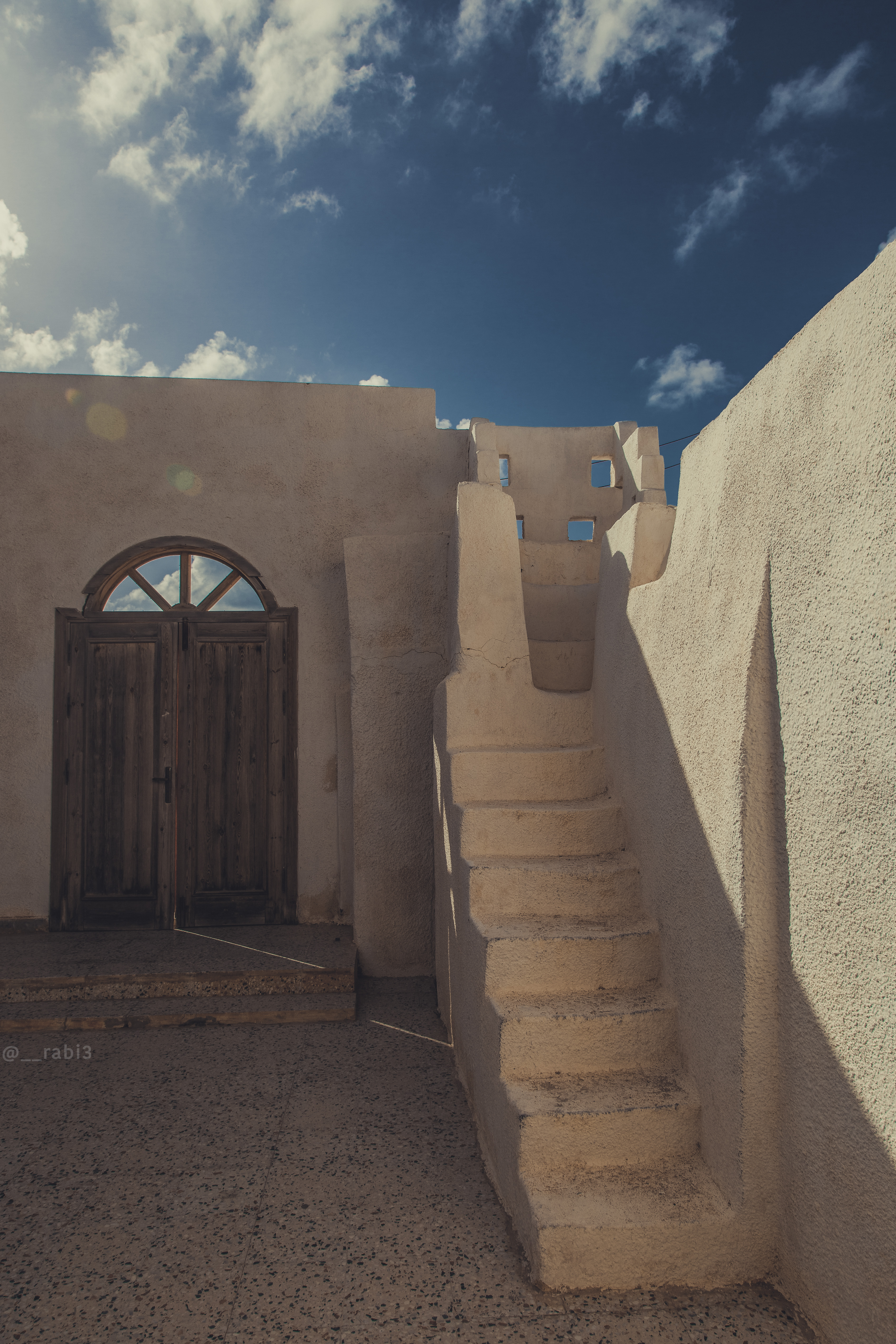
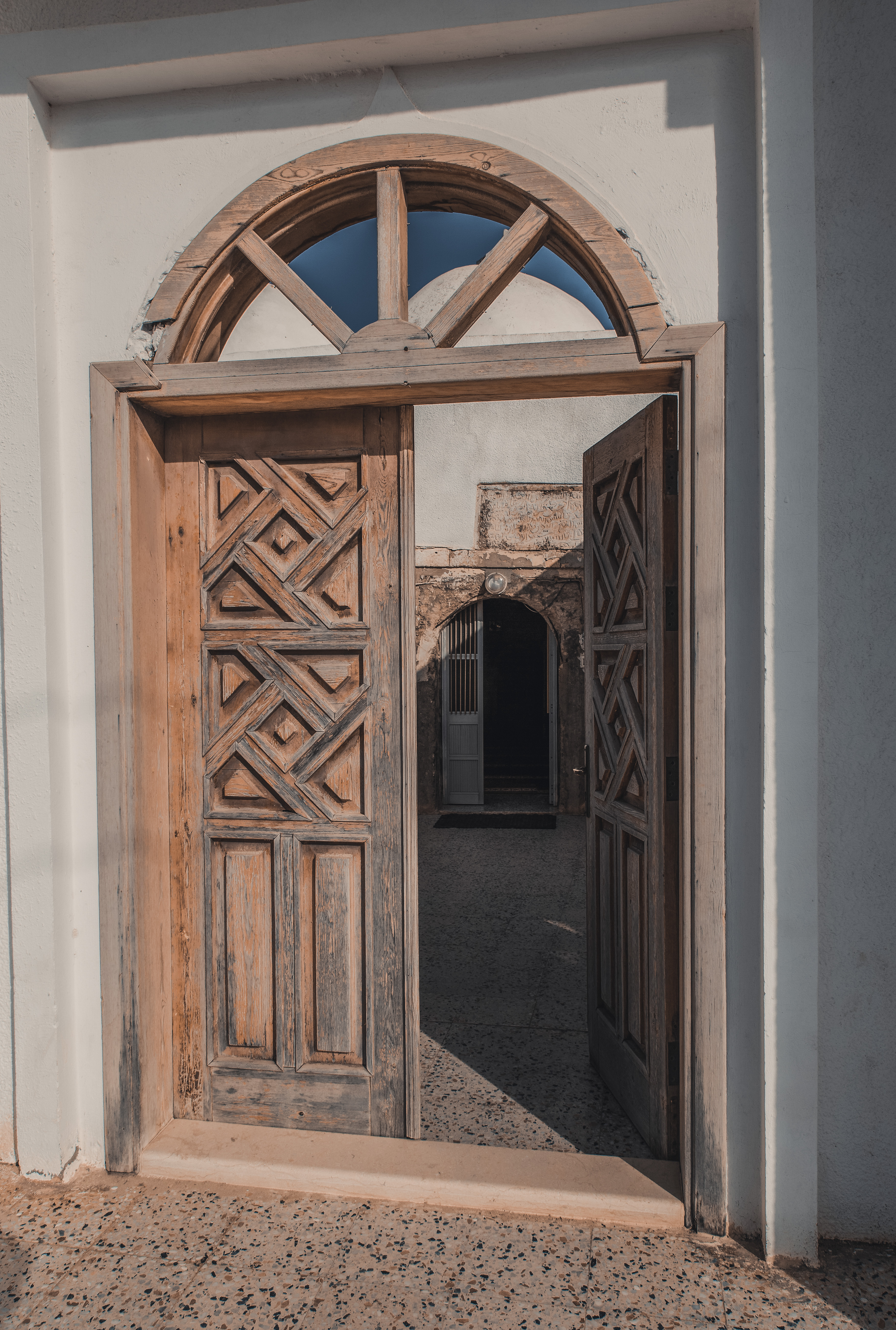
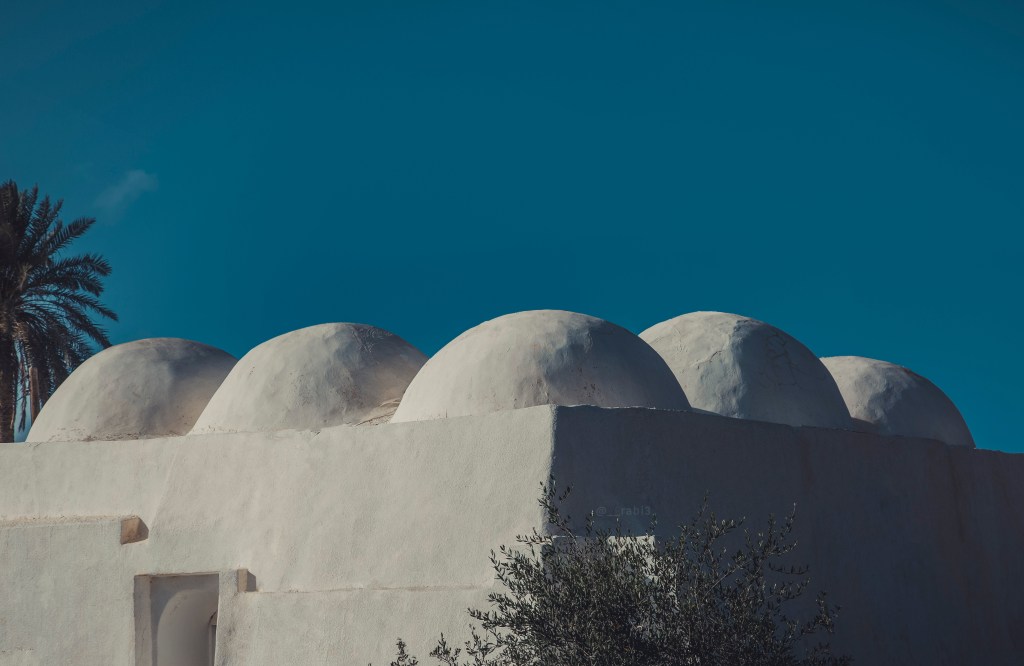
The historical Ibn Ghalboun Mosque, located in the picturesque village of Al-Malaytah in the Qasr Ahmed area, stands as a testament to the rich heritage of the region. Constructed over 500 years ago in 1771 AD, this remarkable mosque is revered as one of the oldest in the city of Misrata.

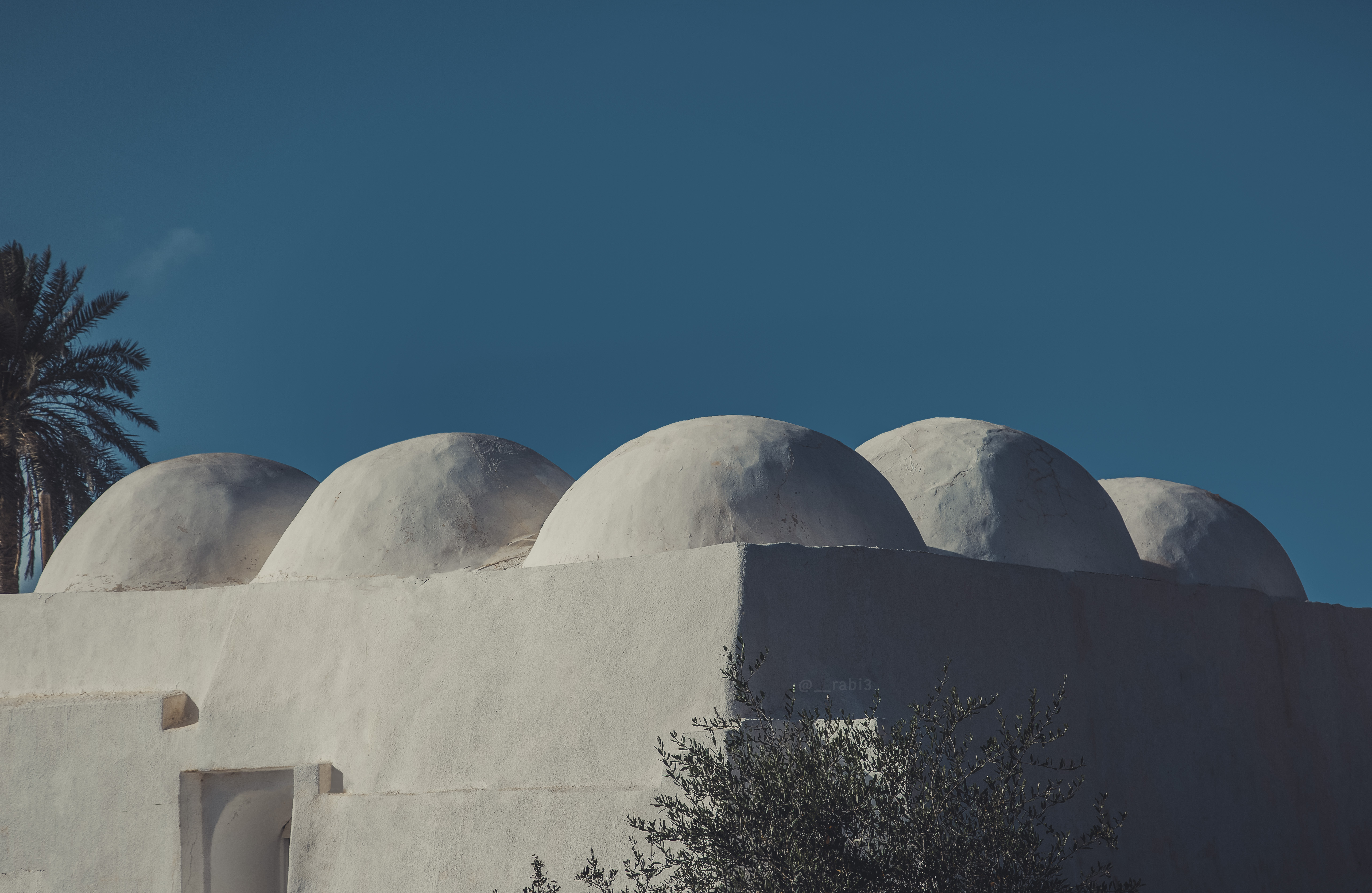


The mosque’s namesake, Muhammad bin Khalil bin Ahmed bin Abd al-Rahman bin Ghalboun, known as Ibn Ghalboun, was a distinguished Libyan historian and astronomy scholar. Born in the late seventeenth century in the village of Al-Shurou’ (now Malaytah) in Qasr Ahmed, Ibn Ghalboun pursued his studies in the Qur’an and astronomy before embarking on a journey to Tripoli and then Egypt. On his return in 1720, he established the Zawia, a teaching room aimed at enlightening minds, in Qasr Ahmed, which he lovingly called Manara, meaning lighthouse in Arabic.

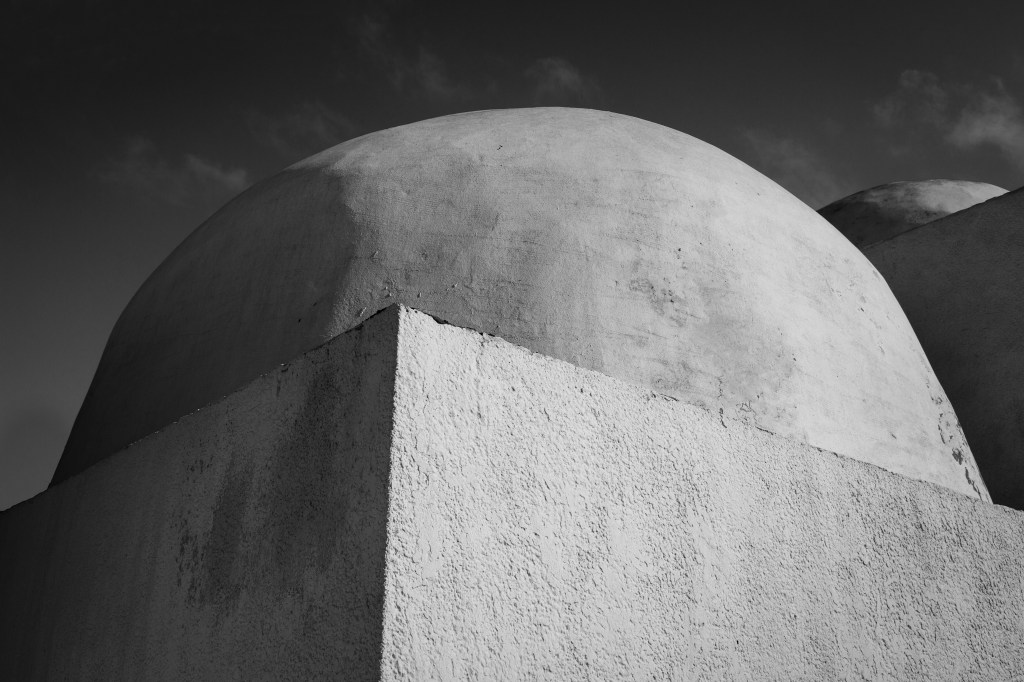
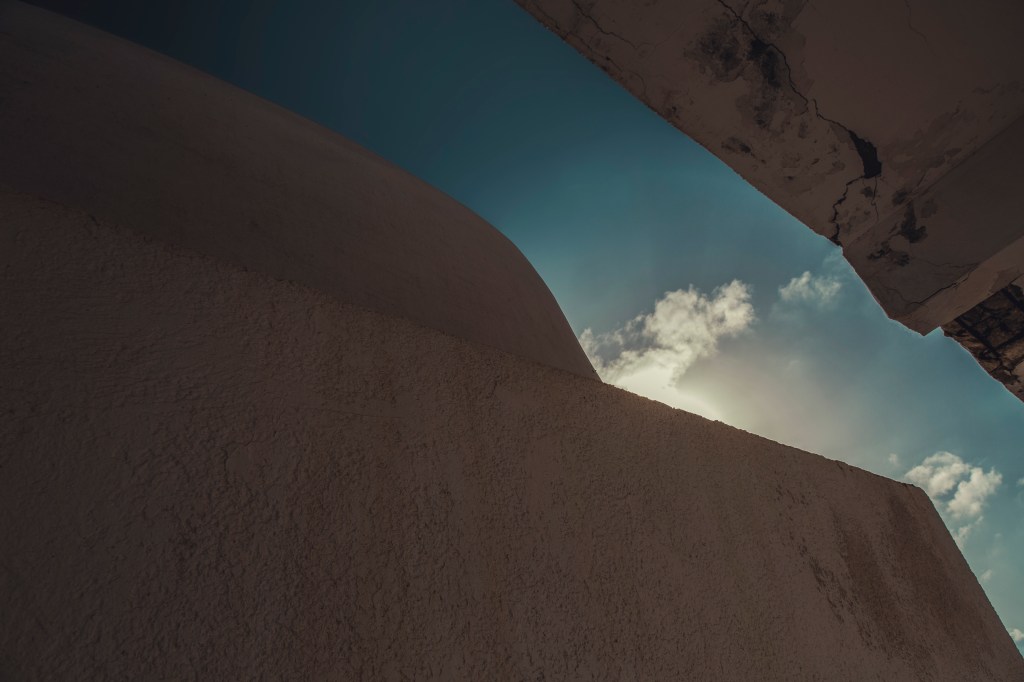

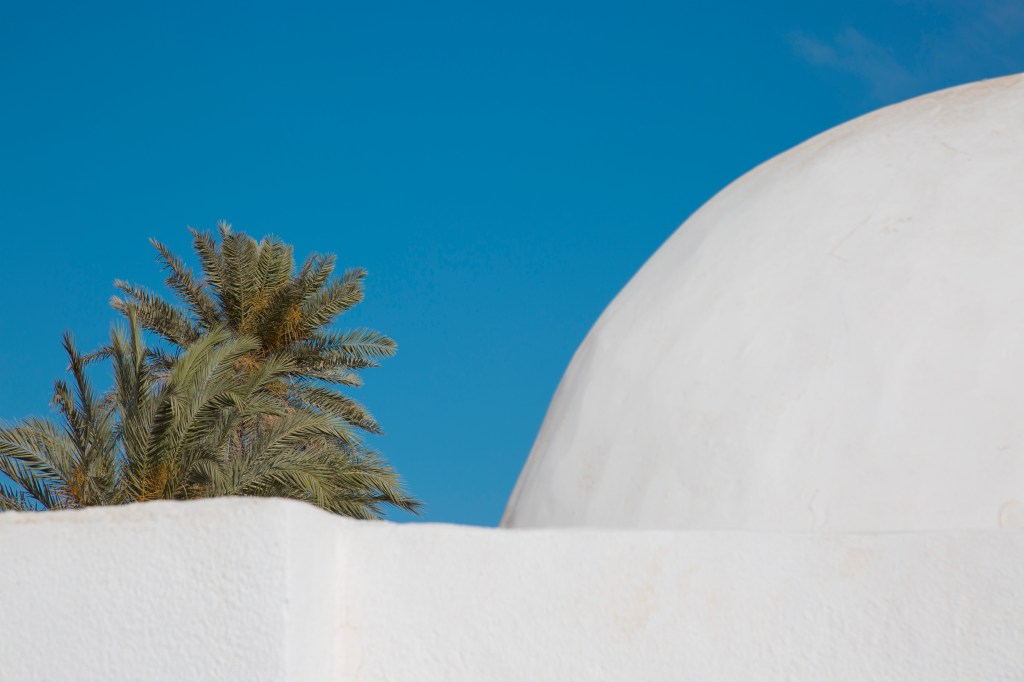
The mosque, originally constructed in 1771, was initially built on a smaller scale by Mahmoud Khazen Dar Al-Fenisi, who served as the treasurer of Tripoli during the reign of Governor Demirji Aq Muhammad Dai Anatoli in 1678. It was established as an endowment for Ghalboun’s family and the surrounding village. Notably, Mahmoud Khazen Dar Al-Fenisi also oversaw the construction of five mosques in Tripoli, as mentioned by Ibn Ghalboun himself.
In 1726, during the time of Ahmad Pasha al-Qaramanli (the grandfather, not the grandson), the country experienced severe damage due to heavy rains, which unfortunately affected the mosque. This prompted Ibn Ghalboun to spearhead the restoration efforts, with the support and financial assistance of Ahmed Pasha al-Qaramanli.
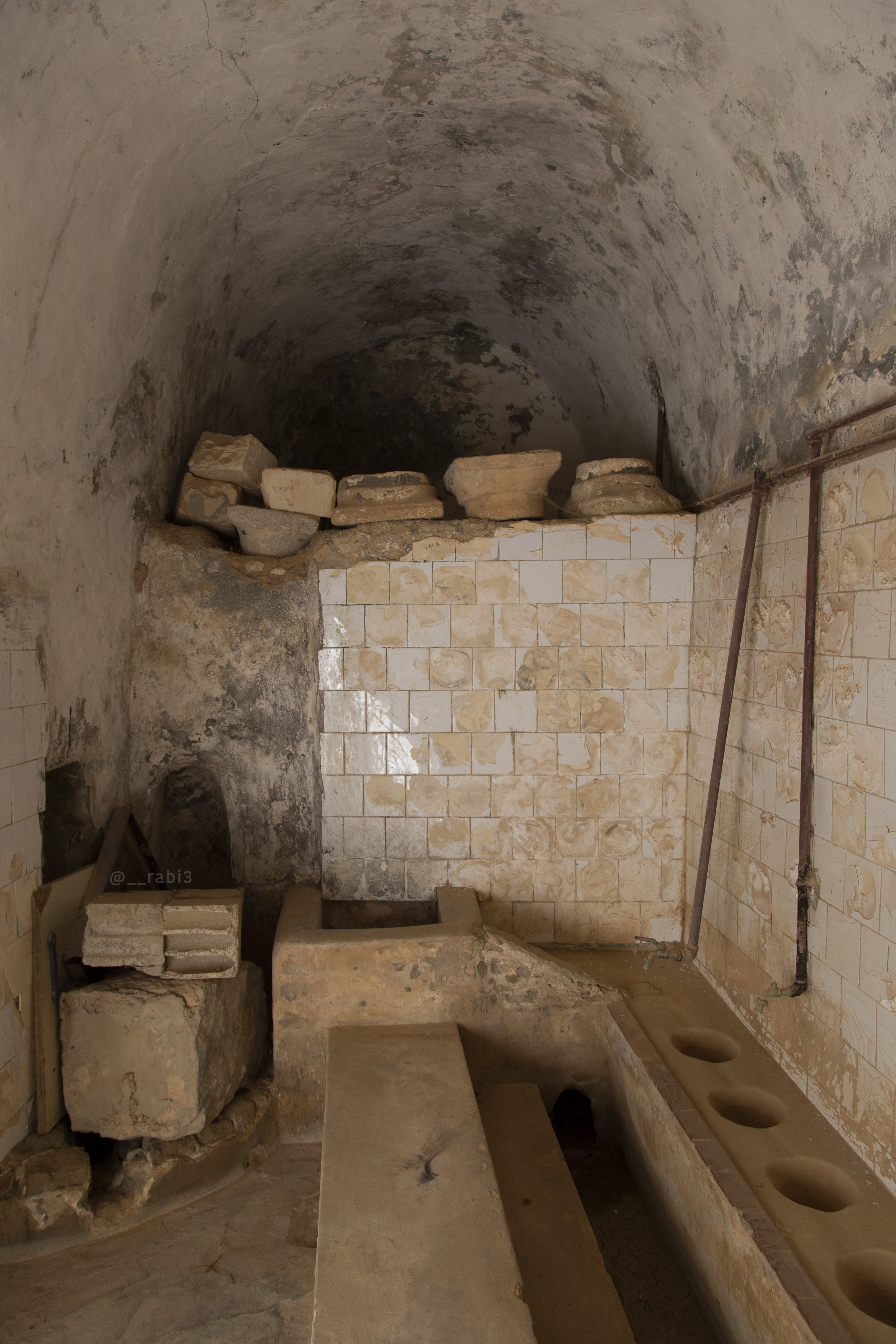
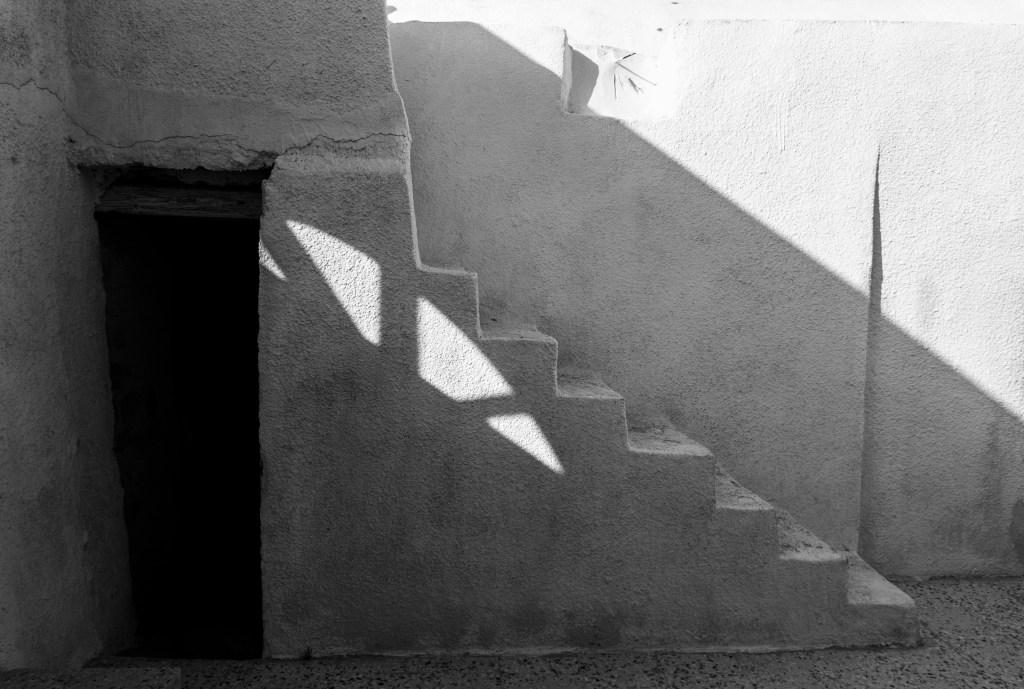
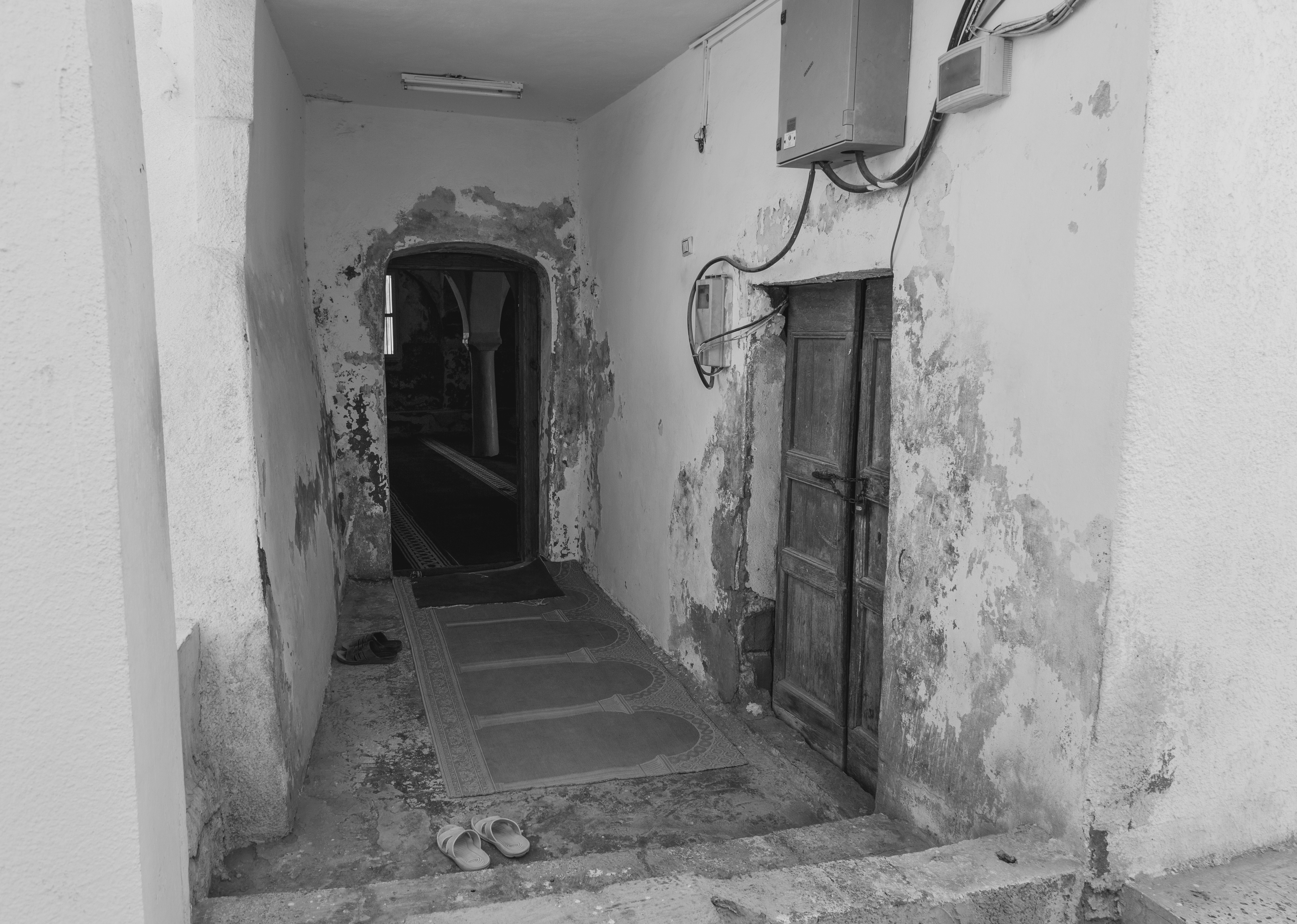
Upon entering the mosque, visitors are greeted by a small open area that serves as a connecting point to various key areas, including the prayer hall, the teaching room (Az-Zawia), a modest minaret, the ablution place, and the Mat’hara المطْهرة (a space dedicated to washing (Ghusl) from the state of Janaabah).
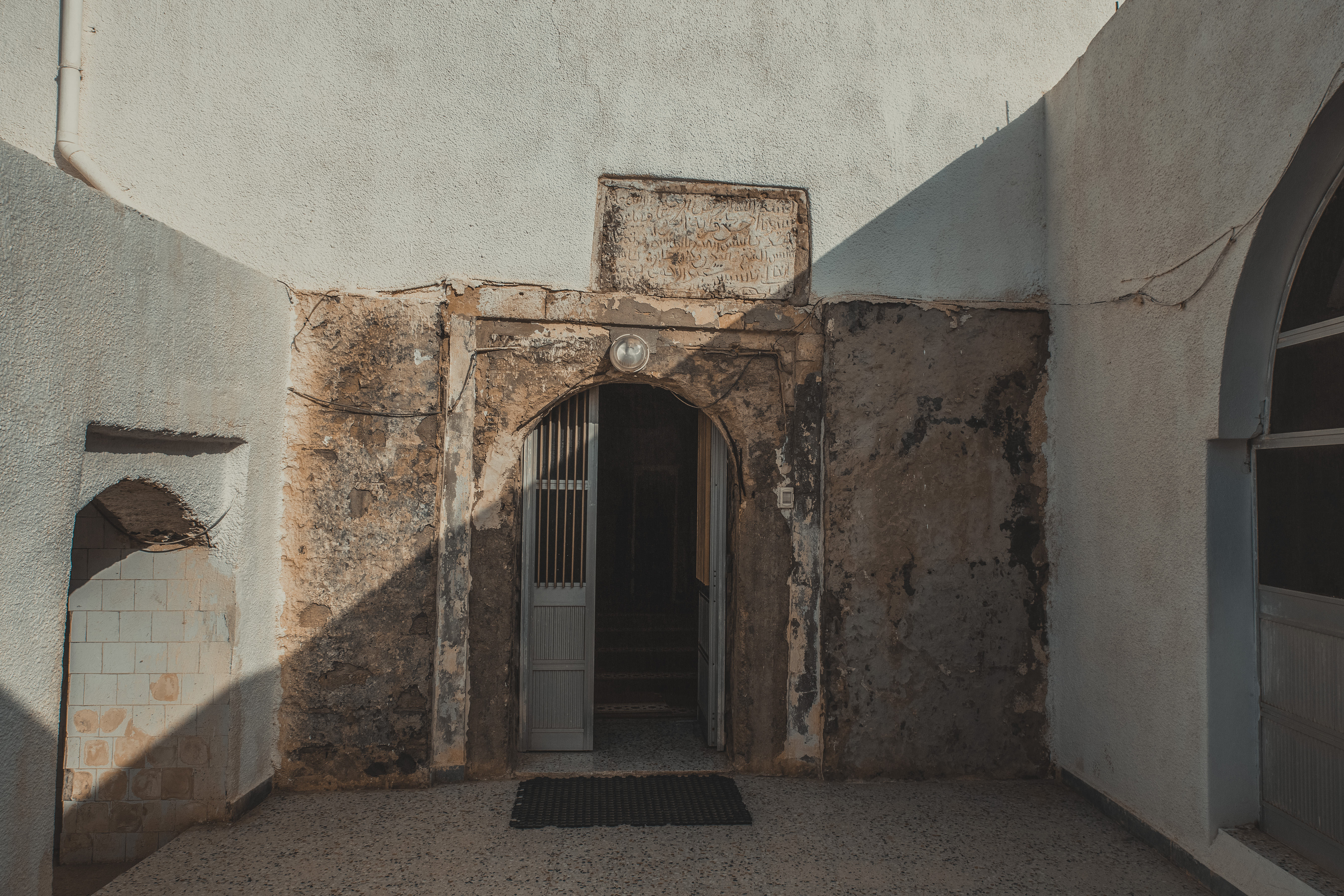
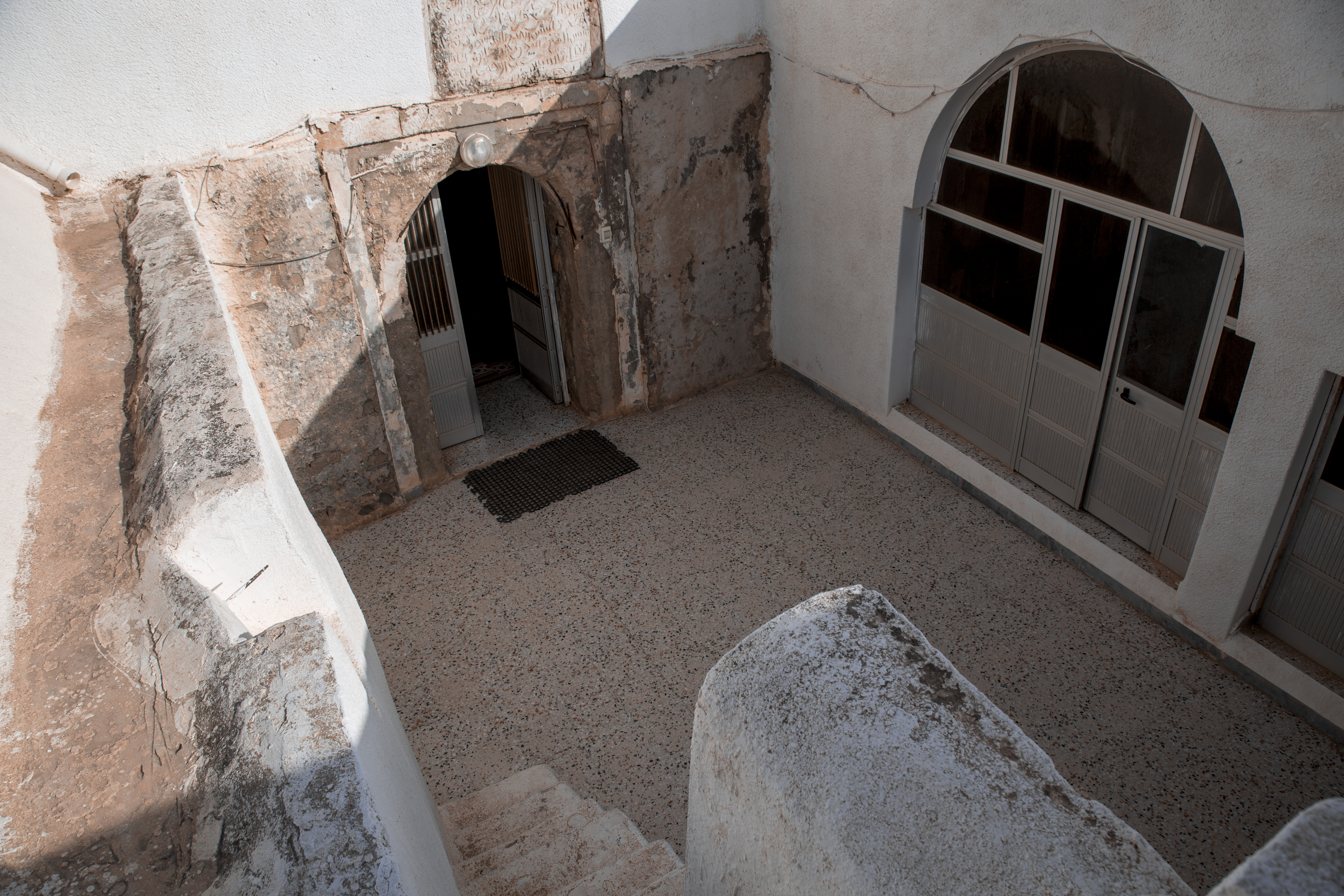

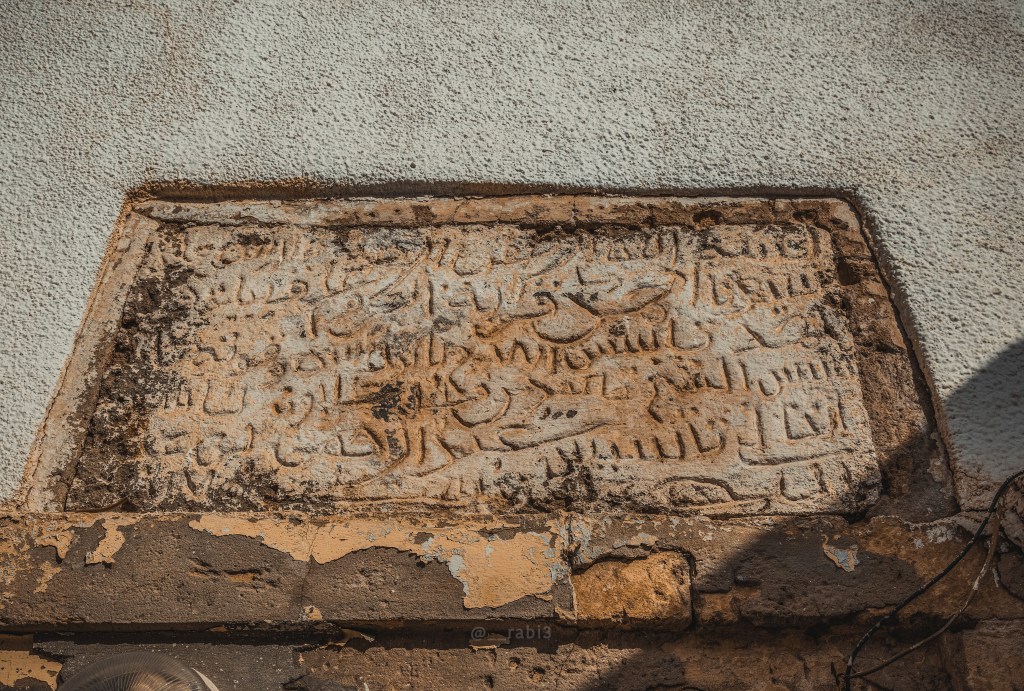
At the entrance of Ibn Ghalboun Mosque, there is a clay plaque inscribed with the following words: “In the name of Allah the most Merciful. Establishment; Mister Muhammad, the village of al-Shurou’, Qasr Ahmed tribe, 1811.”
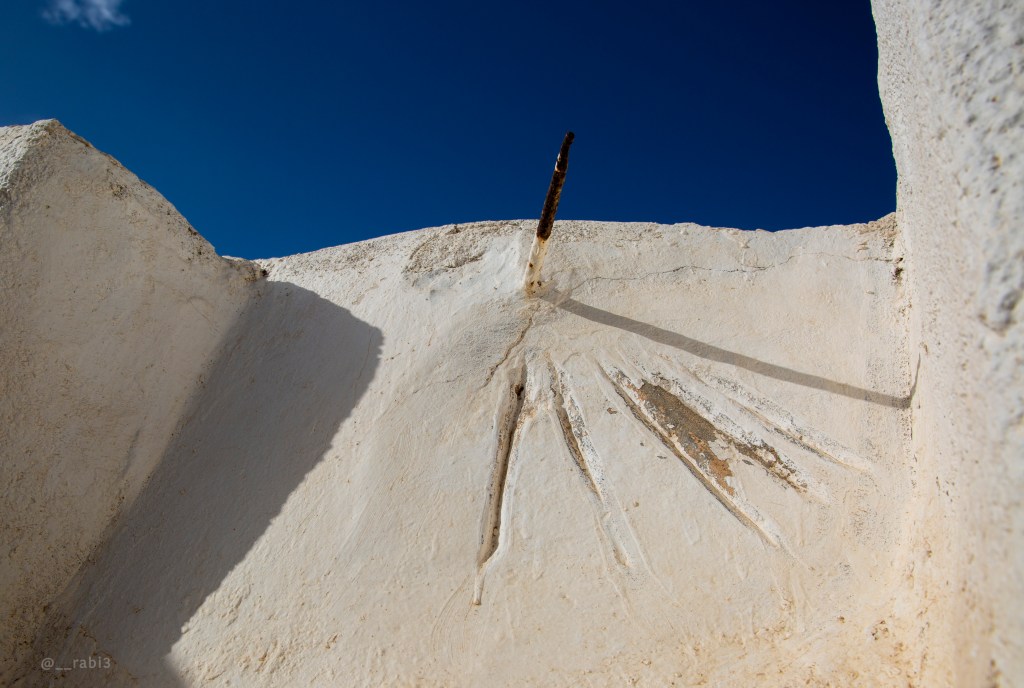
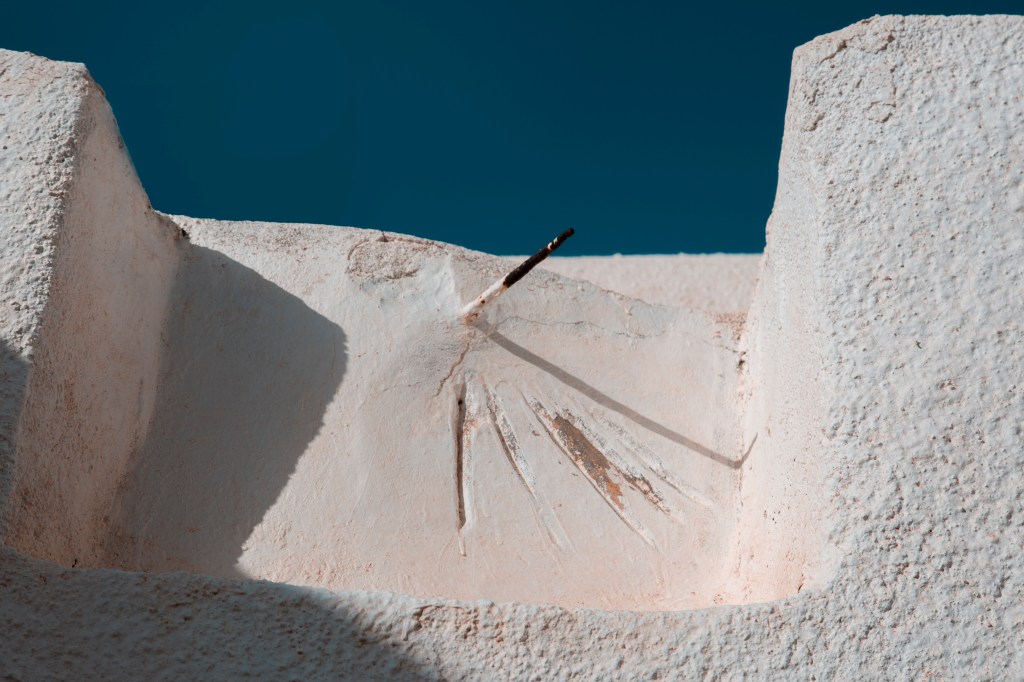
This historical mosque also features Al Mizwalah الِمزْولة, a device used to determine prayer times by tracking the shadow cast by a metal stick. It is believed that Al Mizwalah was utilized not only for daily prayers but also for estimating the timing of evening prayers during the 14 nights of the lunar months.

Mohammed Ibn Ghalboun made significant contributions to the recorded history of Libya through his authorship of several books. His most influential work, Al-Tadhkar (The Souvenir), stands as the most important and oldest historical source documenting various pivotal periods in Libya. This masterpiece has been invaluable to researchers, Libyans, and orientalists, providing essential insights into the country’s history. Additionally, Ibn Ghalboun authored a book on astronomy, showcasing his diverse intellectual pursuits. Notably, his work has been utilized by prominent figures such as Ahmed al-Naib, Sheikh al-Taher al-Zawy (1890-1986), Italian Ettore Rossi (1894-1955), and French scholar Charles Feraud (1829-1888) in their writings on Libyan history, signifying the widespread impact of his contributions.


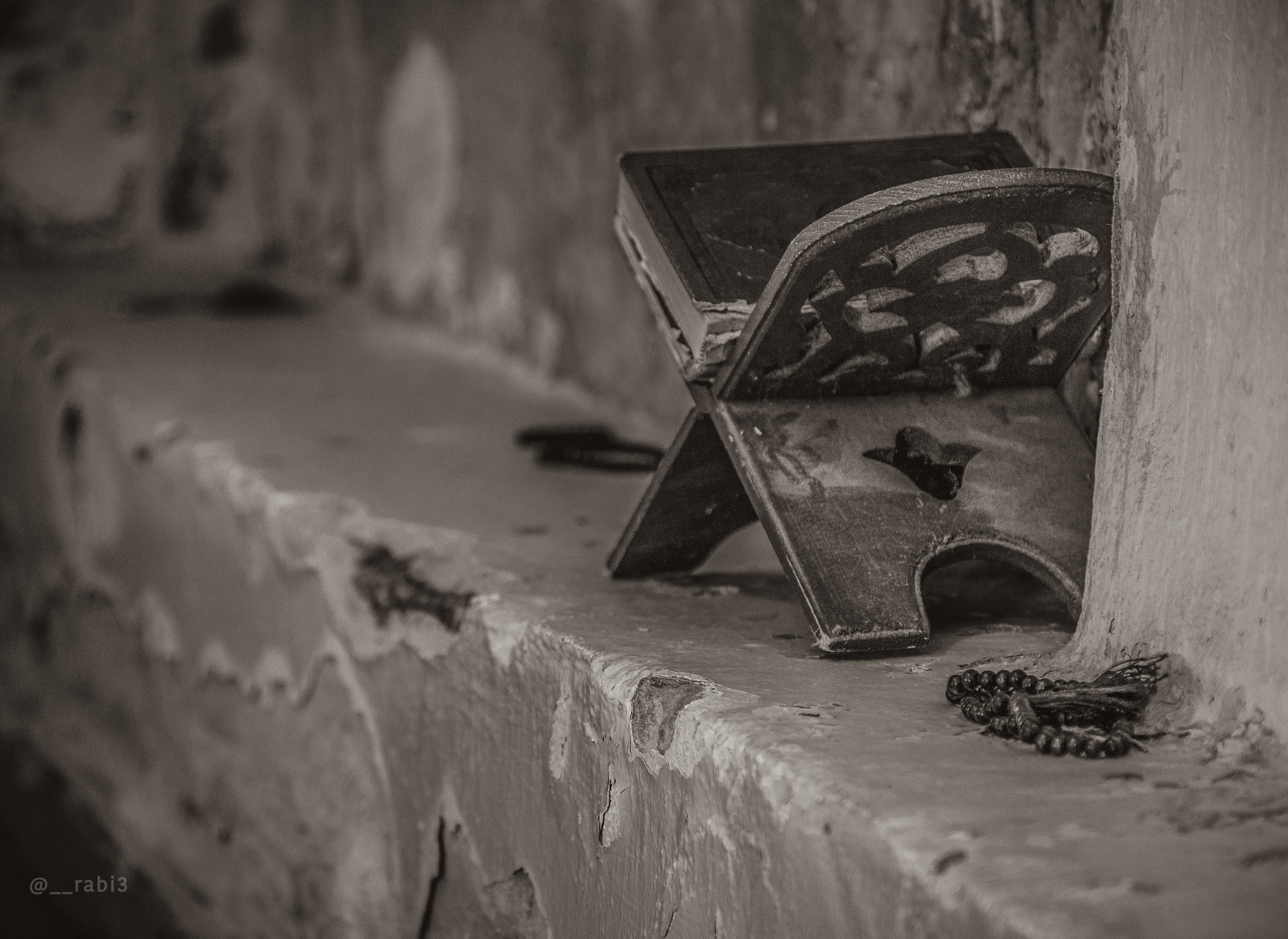

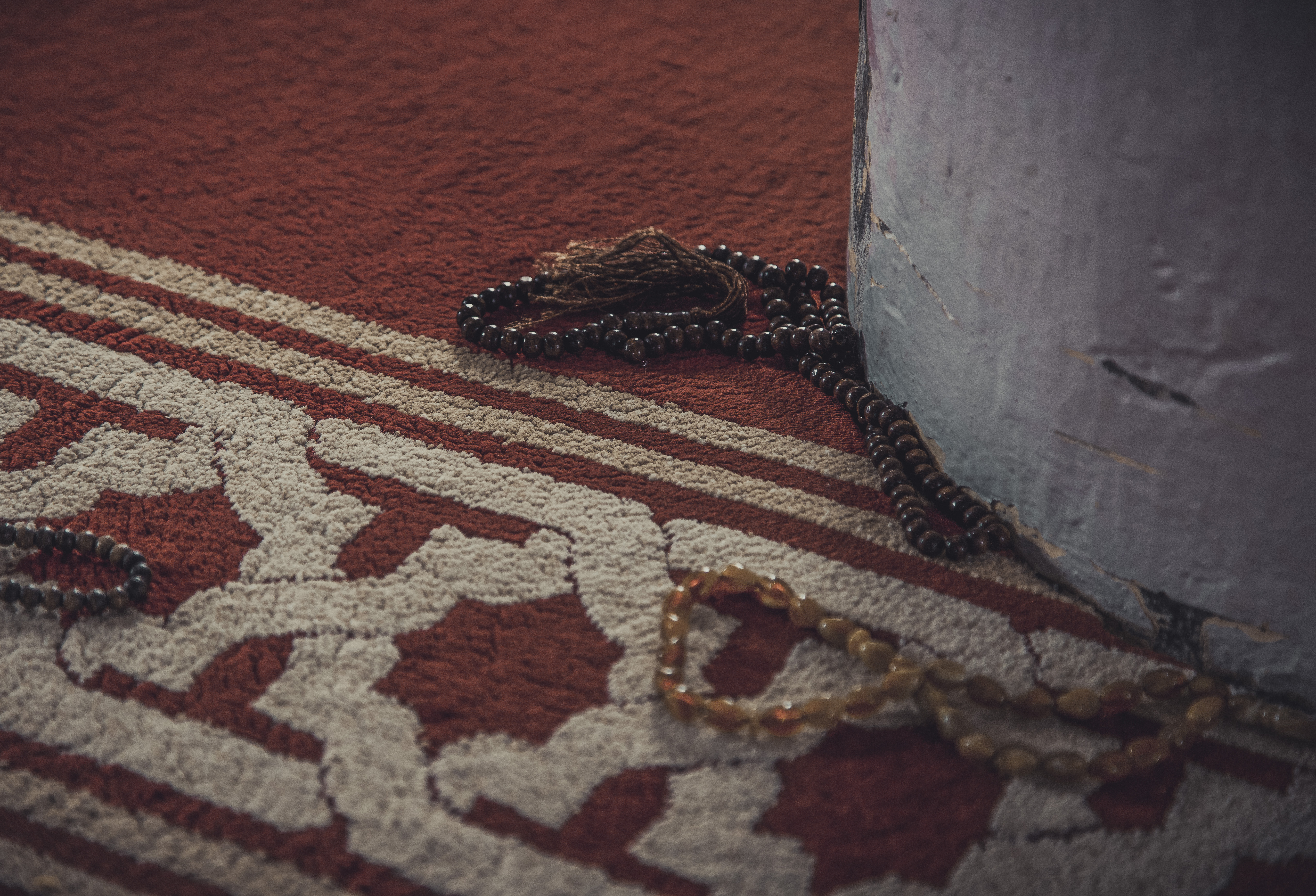
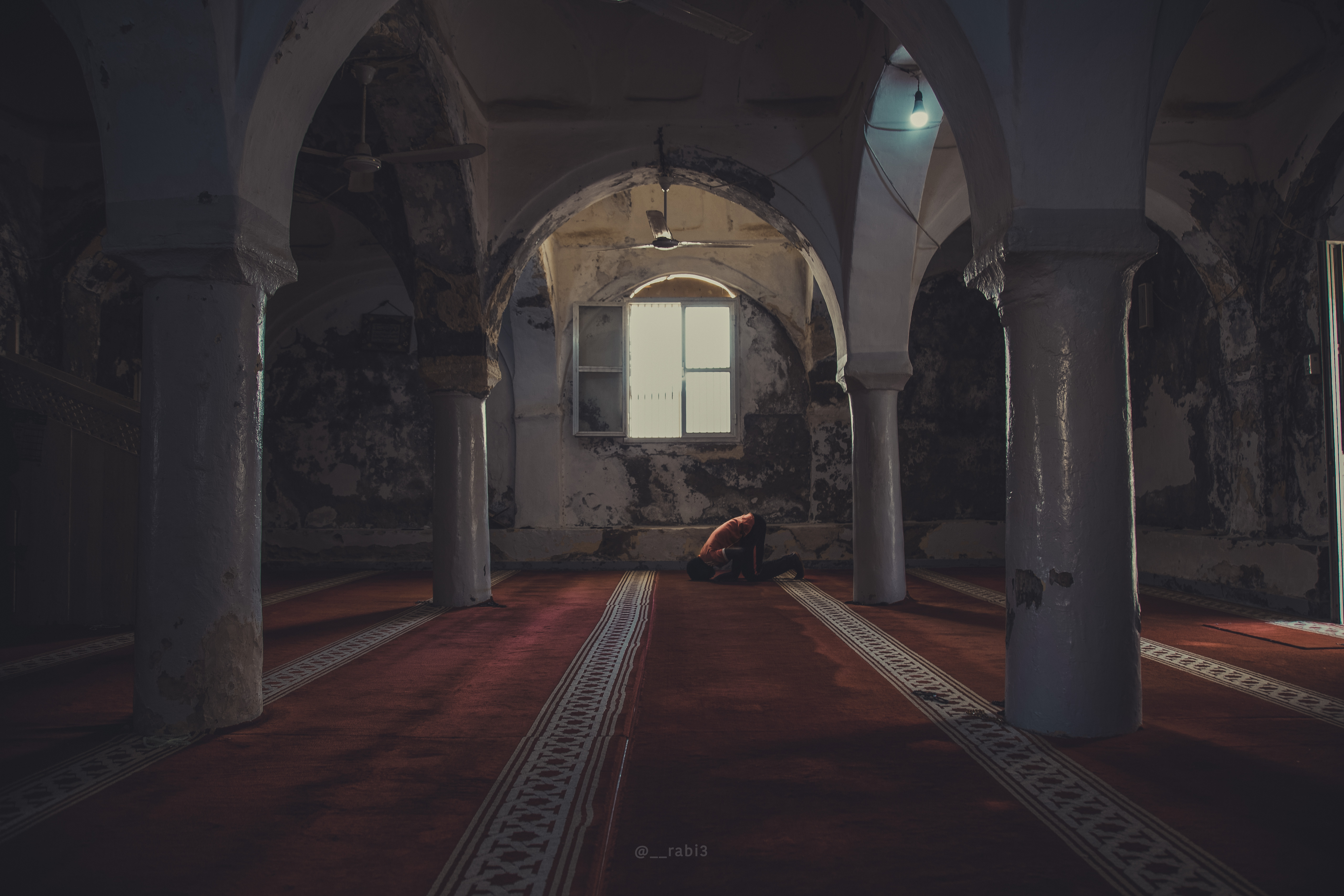
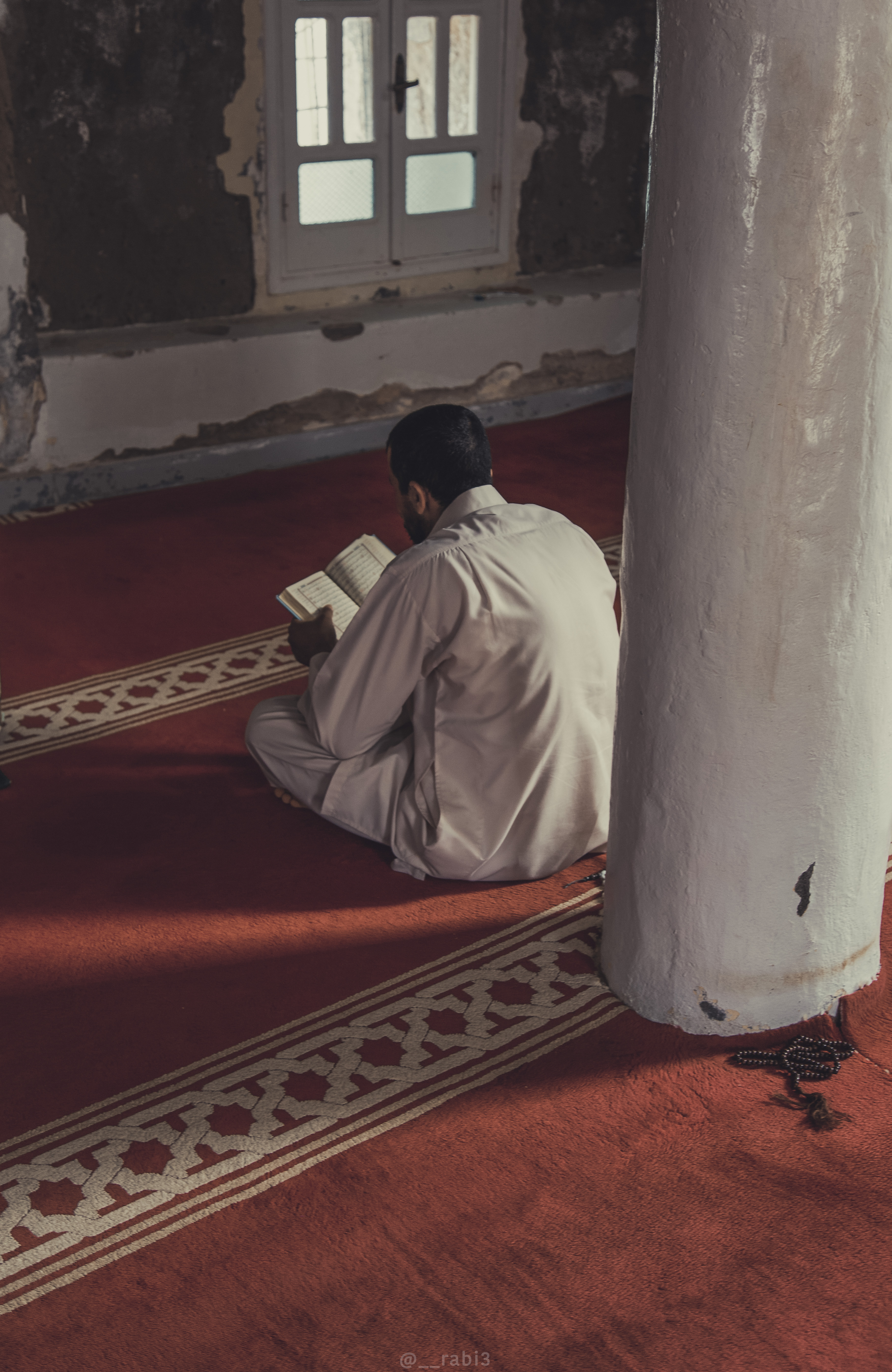
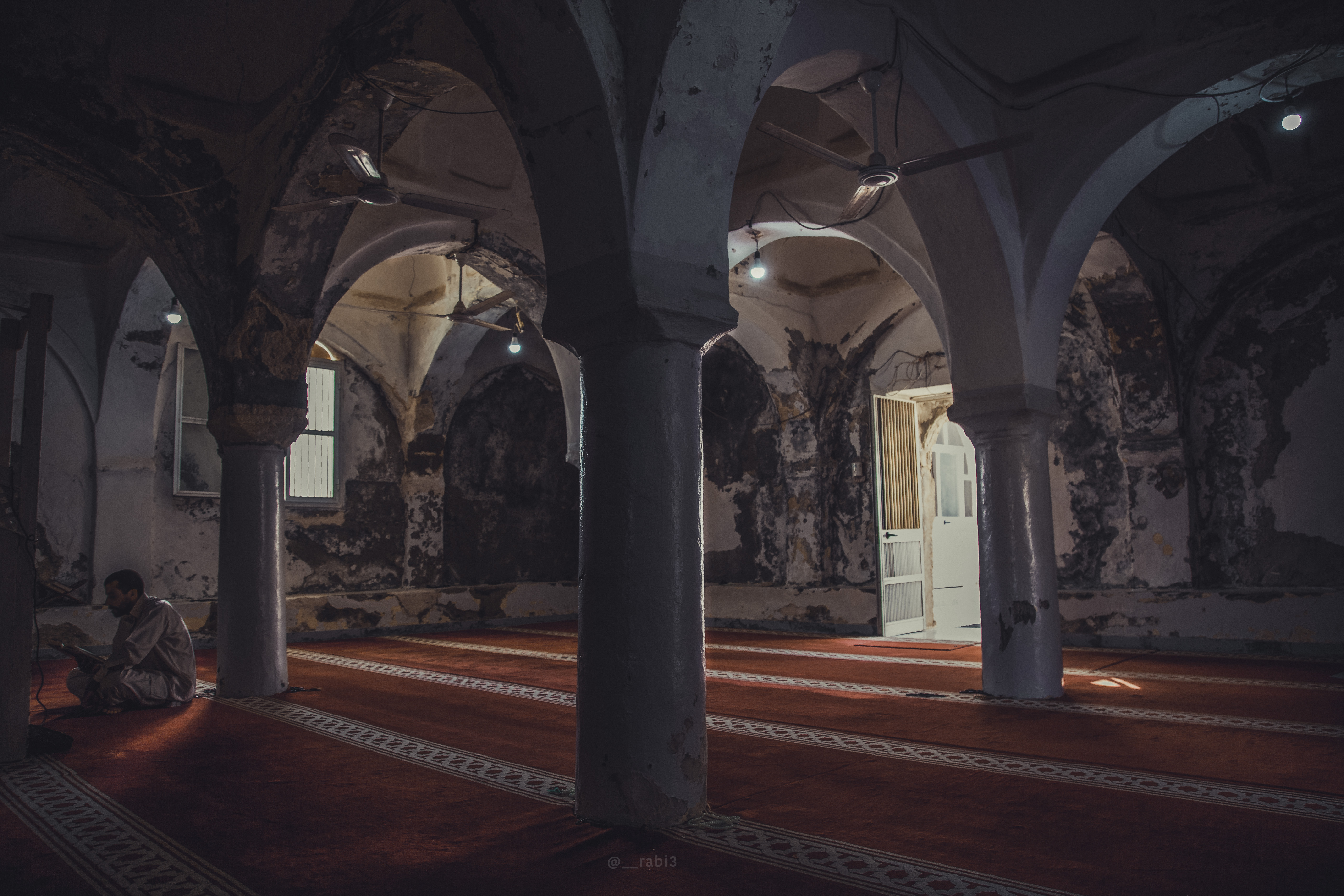

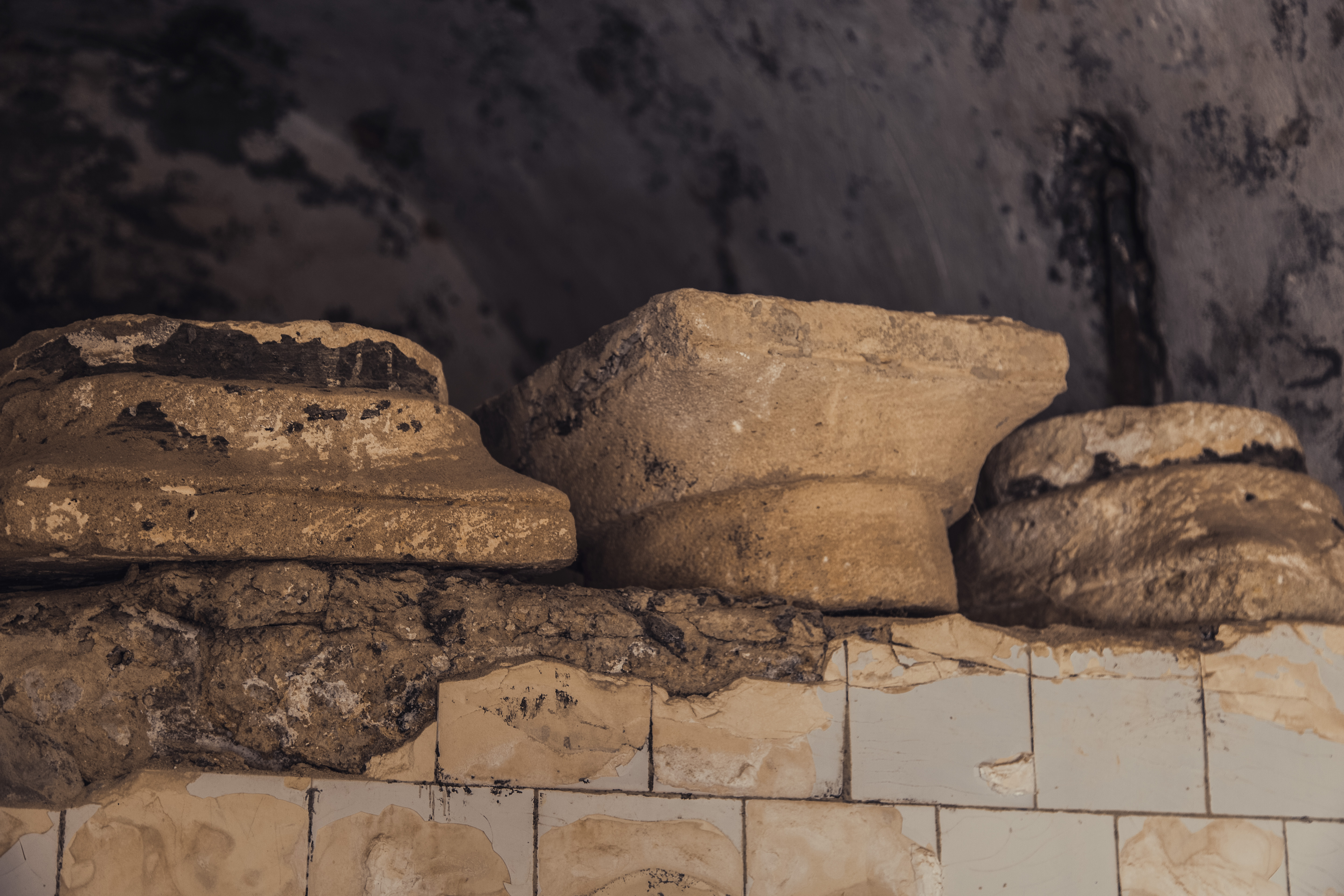
The mosque’s pillars stand proudly in the traditional Libyan style, silent and steadfast, unlike the pillars of the teaching room (Az-Zawia), which were carefully removed and stored in a secure location.
Sheikh Muhammad Ibn Ghalboun warmly welcomed pilgrims on their journey to the Hijaz region. In his teaching room, Az-Zawiah, these pilgrims gathered to engage in discussions on matters of religion, law, and knowledge with fellow religious scholars.


 Spring's Fall
Leave a comment