At 18 years old, the weight of adulthood crashed down on me with unprecedented force. It felt like being surrounded by the deafening sounds of sniper bullets, mortars, rockets, and unfamiliar weaponry, all of which were entirely new to me but impossible to ignore in 2011. The expected freedom that accompanies reaching adulthood was overwhelming; instead of the typical youthful adventures, I found myself venturing out for extended periods, not for leisure, but for camping and serving in a field hospital.
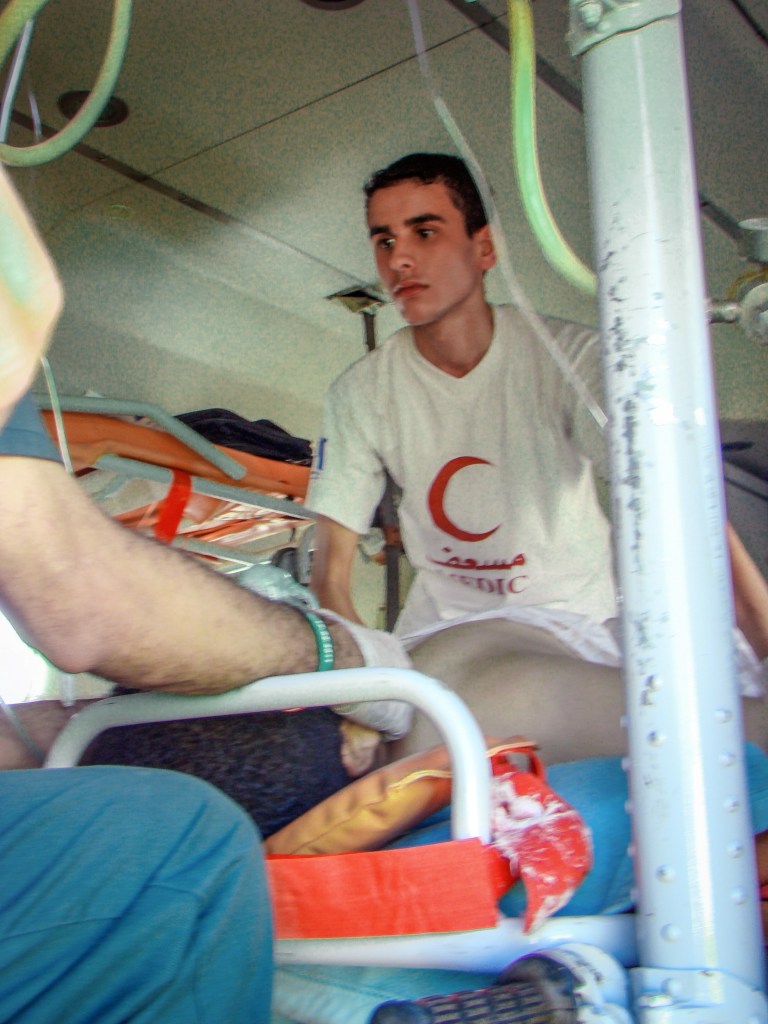
During the Arab Spring, I found myself in Misrata, my hometown, where I witnessed the dramatic changes that were sweeping through the country. The atmosphere was charged with both excitement and fear as we experienced the highs and lows of the revolution. From the initial days of hope and exhilaration to the prolonged months of uncertainty and danger, the Arab Spring was a defining period in my life. It was a time when we experienced the harsh realities of conflict firsthand, from the lingering scent of blood and sweat to the heartbreaking loss of friends and comrades. The events of that year were a crash course in maturity, and I emerged from it a changed person.
2012
I vividly remember the time when I experienced an unparalleled sense of optimism. It coincided with my first airplane ride, which also marked the pinnacle of my physical journey. During this trip, I had the opportunity to practice and enhance my English skills, which I had honed through interactions with numerous foreign journalists, doctors, and NGO workers during the war.
Although I had never held much interest in politics, likely due to the lack of political education during my formative years, the events of 2011 thrust me into the midst of political upheaval. This period exposed me to the stark realities that could not be ignored and the monumental changes that Libyan people were striving for. Despite my limited knowledge, I felt an intense desire to engage in political discourse, particularly amidst the fervent young Libyan population who thirsted for political critique. While I may not have possessed a well-formed political viewpoint at that time, my experiences as a paramedic and a medical student instilled in me a deep empathy for human struggles, transcending ideological differences. My tendency to listen to and acknowledge various human predicaments was shaped by my humanitarian role and academic pursuits.
As someone who had always aligned with leftist ideology, I grappled with the fear of being stigmatized and manipulated for others’ ulterior motives, perpetuated by dishonest individuals masquerading in suits and ties. This sense of skepticism fueled my inclination to remain within the confines of my comfort zone.
2013
As my index finger was marked with the election’s ink for the first time, I couldn’t help but feel the significance of this moment as I stepped into adulthood in the new Libya. It felt like a refreshing step forward, but I couldn’t ignore the deep-seated corruption that plagued Libyan society. This awareness tempered my expectations of the candidates vying for leadership, especially as they resorted to tired campaign slogans and failed to present clear identities.
By the second year after the revolution, I came to understand how the conflict had thrust Libya onto the world stage, significantly impacting my own awareness of the nation. My knowledge of Libyan history, culture, and the distinct character of its cities expanded, and I found myself wondering if these revelations would have occurred without the events of February 17th.
2014 (Another war? Shocking!)
The haunting echoes of the civil war reverberate through the land, yet many refuse to acknowledge its existence. The anguish of mothers who have lost their children, and the pervasive smoke that now shrouds the Libyan landscape have shattered any hope for a better tomorrow. Even as embassies evacuate from Tripoli, carrying with them the promise of a brighter future, the reality remains bleak. In the midst of this turmoil, my city Misrata is deeply embroiled in the conflict. Initially, I hesitated to join the emergency and ambulance service, reluctant to be part of the controversial war in Tripoli. However, as the loss of friends continued to mount, I found myself unable to resist the call to action. As a paramedic, the sight of blood draws me in, and as a Libyan paramedic, there is little respite from the relentless demands of the job.
2015 (One way ticket)
The seeds of ISIS had begun to take root in Libyan soil, and as a result, my voluntary work as a paramedic since 2011 came to an abrupt end. With the new opportunities presented on 17 Feb and armed with my fresh, shiny blue passport, I had no choice but to leave and pursue a new path in the field of medical services. The rise of terrorism forced me to confront and deeply analyze my Islamic beliefs and heritage. Despite living through four years after the revolution, I still struggled to form a political perspective that truly represented my values. I attributed this struggle to both my shortcomings and the uninspiring teachings of my middle school history teacher, as well as the lack of diverse perspectives in Libyan politics. When I left Libya, I felt adrift, unsure of where I belonged or which cause I should support if given the opportunity to cast my vote once more.
2016-2020 (Observing from outside, transforming from inside)
At a certain point, I took a moment to step back and gained a broader perspective. It allowed me to reflect on my deep connection to Libya and how it influences my actions and choices. Despite living abroad, I’m not disconnected from my homeland. Even in a relatively peaceful environment, thoughts of the family and friends back home fill me with both nostalgia and concern. I find myself passionately engaged in following the news and events through social media, despite the inevitable virtual disagreements. The political landscape and social divisions in Libya have made me more cautious in expressing my opinions to avoid harming friendships and relationships. and that’s the sign of a divided country.
Living away from Libya has also shaped my views on societal issues. My exposure to different perspectives on freedom of expression, reproductive health, women’s rights, LGBTQ rights, and other controversial topics has been eye-opening. It’s been a challenge to navigate these differing viewpoints, especially considering the conservative environment I grew up in and the intolerance I’ve witnessed.
As a medical professional and an avid photographer, I’ve recognized the importance of acknowledging and representing the marginalized communities within Libya. Despite the geographical distance, I’ve found myself deeply connected to the ideological landscape of Libyan politics over the past decade. However, I’m reluctant to be labeled, as I believe my identity and beliefs are multifaceted and don’t fit neatly into a single category.
Do the results evaluate the action? Do intentions matter?
As I approach my 28th birthday this year, I find myself reflecting on the past decade of my life. I’ve transitioned from being a naive paramedic to a more experienced medical doctor, but I still feel a sense of distance and caution about expressing my thoughts in the current environment. Despite the disappointments, I am grateful for the changes brought about by the revolution of 17 Feb, as it has created new opportunities for young adults like myself. However, the anniversary of 17 Feb also brings with it a lingering sense of shame and the painful memories associated with the Libyan cemetery.
The past 10 years have been a rollercoaster ride, leaving me uncertain about whether I am prepared for the next decade. Unfortunately, these 10 years have not been able to erase the vivid memory of my 18th birthday.
 Spring's Fall
Leave a comment