The experience of grief is intricate and can differ greatly in terms of its order and duration. Mental health experts suggest that there is no set path for the stages of grief. Grief, from a neurological perspective, can be likened to the unpredictable flooding of a sinking state across the banks of a valley – it’s messy and lacks a clear order. This lack of order can also be observed in Eastern Libya, not due to natural causes, but rather due to reasons created by humans.
On September 10, 2023, the city of New York was shrouded in heavy, relentless rain, setting the solemn tone for my second 9/11 memorial visit. As a newcomer to New York, I had established a personal tradition of visiting the Twin Towers site a few days before the anniversary, carefully selecting, editing, and sharing photos on 9/11. Every time I stepped into the financial district, I found myself enveloped in the lingering sorrow that permeated the air around the two imposing voids filled with cascading water. Alongside the silent mourners of the city, I, too, felt the profound weight of the moment. Little did I realize that on that very night, I would find myself grieving once again, but this time for my own community, due to a natural disaster worsened by human negligence.

Anger – Precipitation
On the fateful evening of September 10, the fierce tempest known as Storm Daniel unleashed its wrath upon Eastern Libya. The devastating force of the storm led to the catastrophic collapse of two crucial dams situated in Wadi Darna, resulting in the partial division of the city. The rapid and tumultuous floodwaters ravaged the landscape, obliterating five bridges and entire neighborhoods, and carrying them away into the unforgiving embrace of the Mediterranean Sea. The calamity exacted a staggering toll, claiming the lives of thousands and erasing in its wake countless stories, memories, and childhoods. These were the poignant narratives of the individuals who tragically succumbed to the deluge, a deluge instigated by the insidious tendrils of corruption. For corruption, it seems, its inexorable destiny is bound to the sphere of tragedy.

The impact of the catastrophe runs deep for me, as it does for many Libyans who have had to endure years of political and economic instability, sporadic civil unrest, and various other difficulties over the past 12 years. The journey through grief began with anger, alongside the perpetual sense of sorrow. I found myself consumed by intense fury directed at the corrupt governments, and to some extent, at the individuals who not only supported these corrupt leaders but also celebrated their fraudulent projects, despite the fact that they were massively over budget. These very same people were now seeking donations to aid the cause. My outrage spilled over into my social media posts, using language my mother would find disgraceful. However, given the moral bankruptcy of the Libyan authorities, it seemed appropriate to express my seething anger in such a manner.
Depression – Condensation
Two days of watching the overwhelming news, reading the haunting survival stories, and the endless lists of entire families that were confirmed dead. Besides losing contact with some friends from Darna, the others that I got hold of survived the emptiness shown on their timelines, remembering their relatives, neighbors, and loved ones who did not make it to the land with clear lungs. The frustration doubled with the lack of coordination in the emergency response to the crisis. Although I was not physically in Libya, I virtually watched a big dark cloud taking over all of my social media feeds. Thus, depression came second in response to the helplessness of the scale of the disaster. Even international aid experienced the obstacle of political division, bridging the bridgeless Darna.
Denial – Evaporation
Over time, many people have grown numb to the news coming out of Libya, as it often brings nothing but recurring national suffering. This reaction to the ongoing turmoil is not a novel one. It’s common for individuals to find it easier to detach from the reality of the situation when it concerns a country that seems so distant and removed. However, in the wake of the series of tragedies that have befallen Libya after 2011, I found myself developing coping mechanisms. I learned to distance myself from Libya, focusing mainly on its negative aspects as a way to alleviate the pain and to push forward despite the adversity. Maintaining one’s mental well-being becomes an increasingly difficult task when confronted with such heartbreaking events. Gradually, my anger was supplanted by an acknowledgment and acceptance of the harsh realities that exist in Libya.

Acceptance – Surface Runoff
The harrowing account of one survivor stands out among the many stories of loss and resilience. A mother found herself clinging to a pole, unable to release her grip as her sons were swept away by the relentless floodwaters. Her home had become submerged in murky brown water, symbolizing the overwhelming power of nature that overcame even the deeply ingrained human corruption in Libyan society.
This woman’s experience resonates with countless Libyans who have faced the shattering loss of not just their possessions, but also their jobs, education, scholarships, and dreams. Their struggle to come to terms with their losses is a stark reflection of the grim reality facing the people of Libya. The facade of choice offered by elections seems hollow, as the very foundation of democracy sinks beneath the weight of the country’s oil reserves.
The internal and external turmoil is palpable as people grapple with the dilemma of whether to submit to the injustices that have proliferated since Gaddafi’s demise. Caught between the urge to align with the oppressive regime and the fear of being branded as weak for not speaking out against the current authoritarian rule, many remain haunted by the sacrifices made during the 2011 revolution against the previous dictatorship.
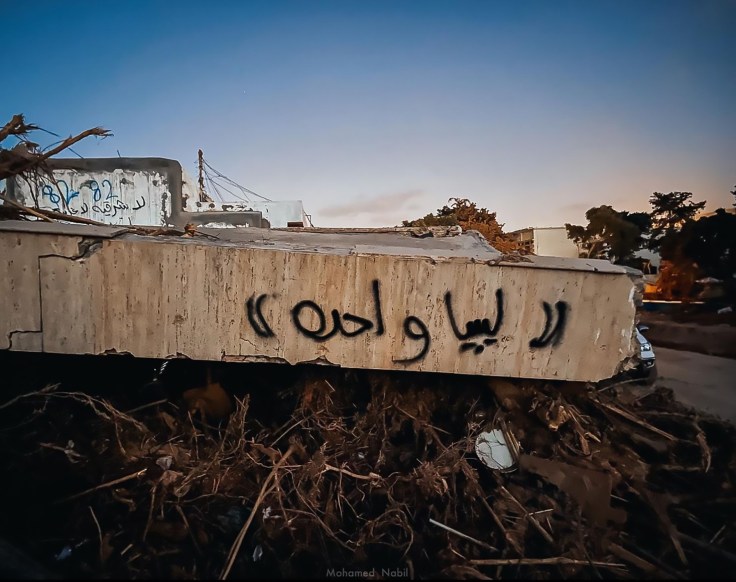
II recently shared some photos of the 9/11. I didn’t include a caption because the pain and sorrow felt in the wake of such tragedies are universal. While every tragedy is unique, the sense of loss is something we all share. It’s been a month since the devastating events in Darna, and it’s disheartening to see the lack of accountability from Libyan leaders. It’s been nearly 30 days since the flooding in Darna, although it feels like no one is keeping track anymore. The cycle of trauma seems unyielding in Libya, disrupting our ability to cope as the cycle of devastation from the fires in February to the floods in September persists.
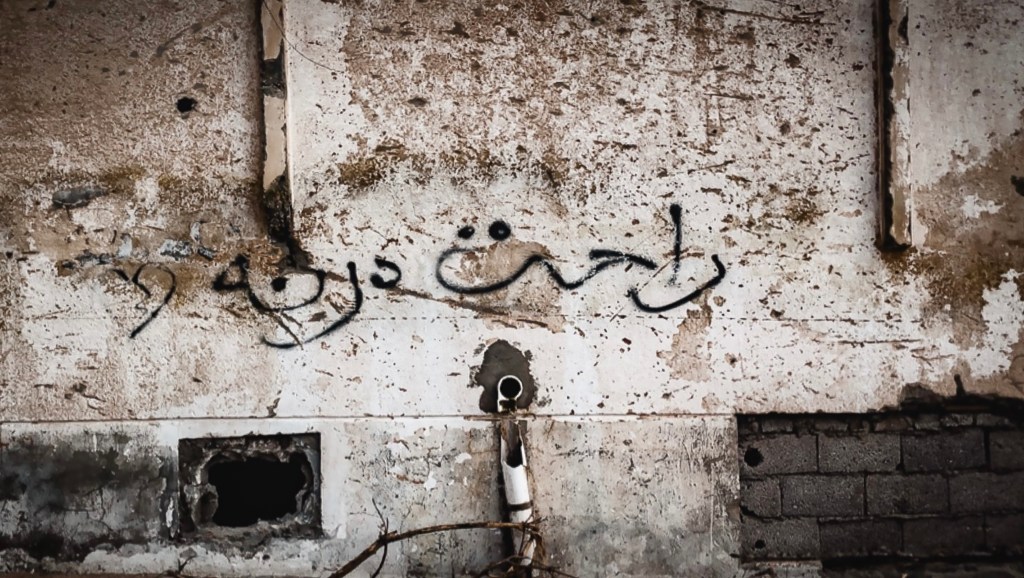
 Spring's Fall
Leave a comment