Here, you may find bilingual thoughts, and frozen photons.
From Under Its Palm Trees
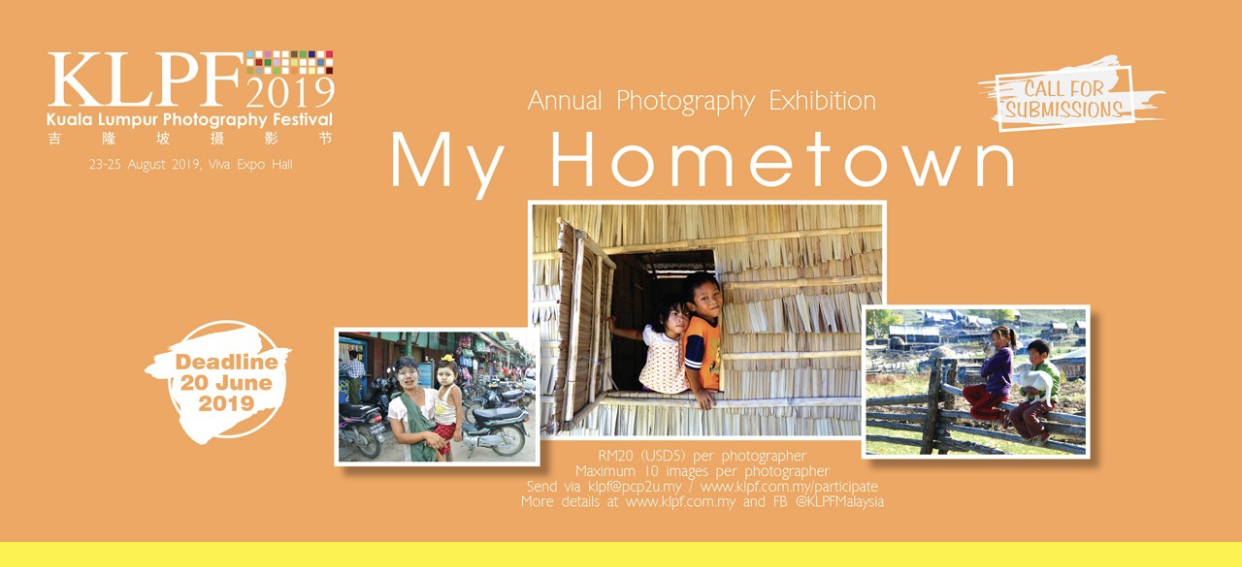
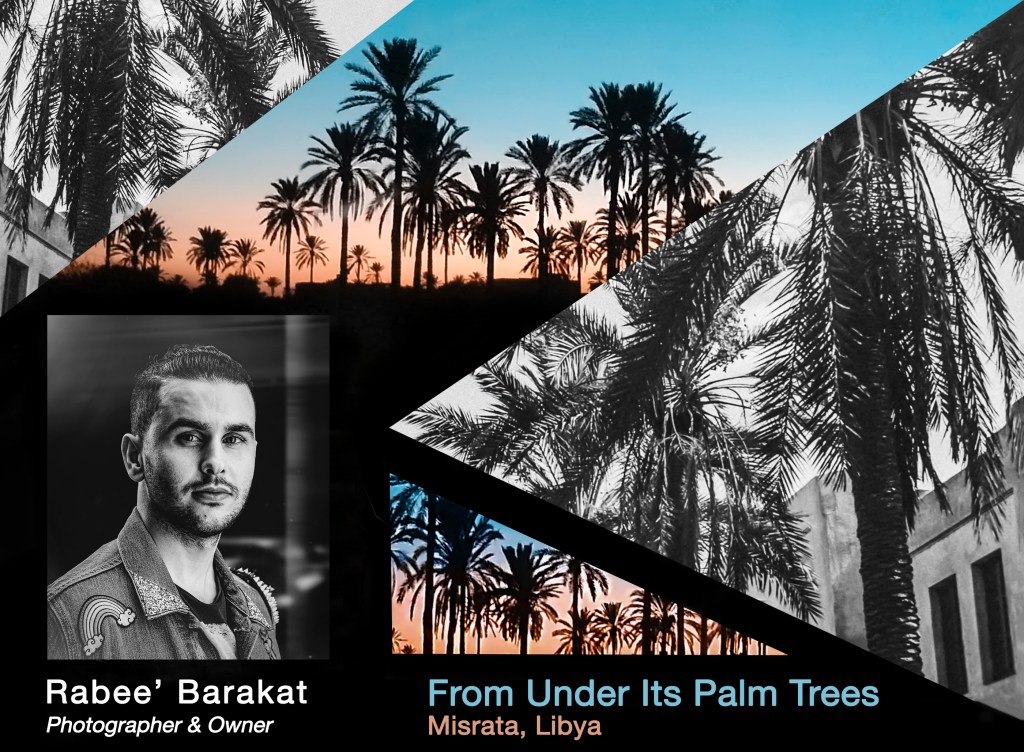
I designed this cover for the photo booth in KLPF 2019 exhibition. Th theme of this year’s contest was (My Hometown) and since Misrata -my hometown- is known for its palm trees, I decided to title my participation with (Under Its Palm Trees)
Misrata is a Mediterranean city that uses the advantage of being on the coast since long time. Here in this photo it shows the pattern when you stand in the middle of Al-Matous street downtown the city.
Saleh Al-Faguih is a well-known man in the city for his contributions to local carpet making. Like “Kilim”: (s a flat trapestry-woven carpet or rug traditionally produced in countries of the former Persian Empire, Iran, Turkey and countries of Central Asia). Uncle Saleh’s hands are great evidence of the years of efforts to preserve the identity of the city.
The view of this window shows what is more than merely a building called the Insurance Building as it was full of insurance companies downtown the city of Misrata. It is a great symbol to the people of Misrata that signifies the struggle and the fight against the invaders back in 2011 (during the Libyan Civil War) who had besieged the city for months before the building had been cleaned out of all the snipers who were threatening the lives of all the residents.
The hour tower in the An-Nassr “victory” square, downtown. You may appreciate the two holes in the hour (between 4 – 5 and 5 -6), these two holes are some of the many war marks of the Libyan civil war 2011. However, the hour tower is an iconic architectural work in the city.
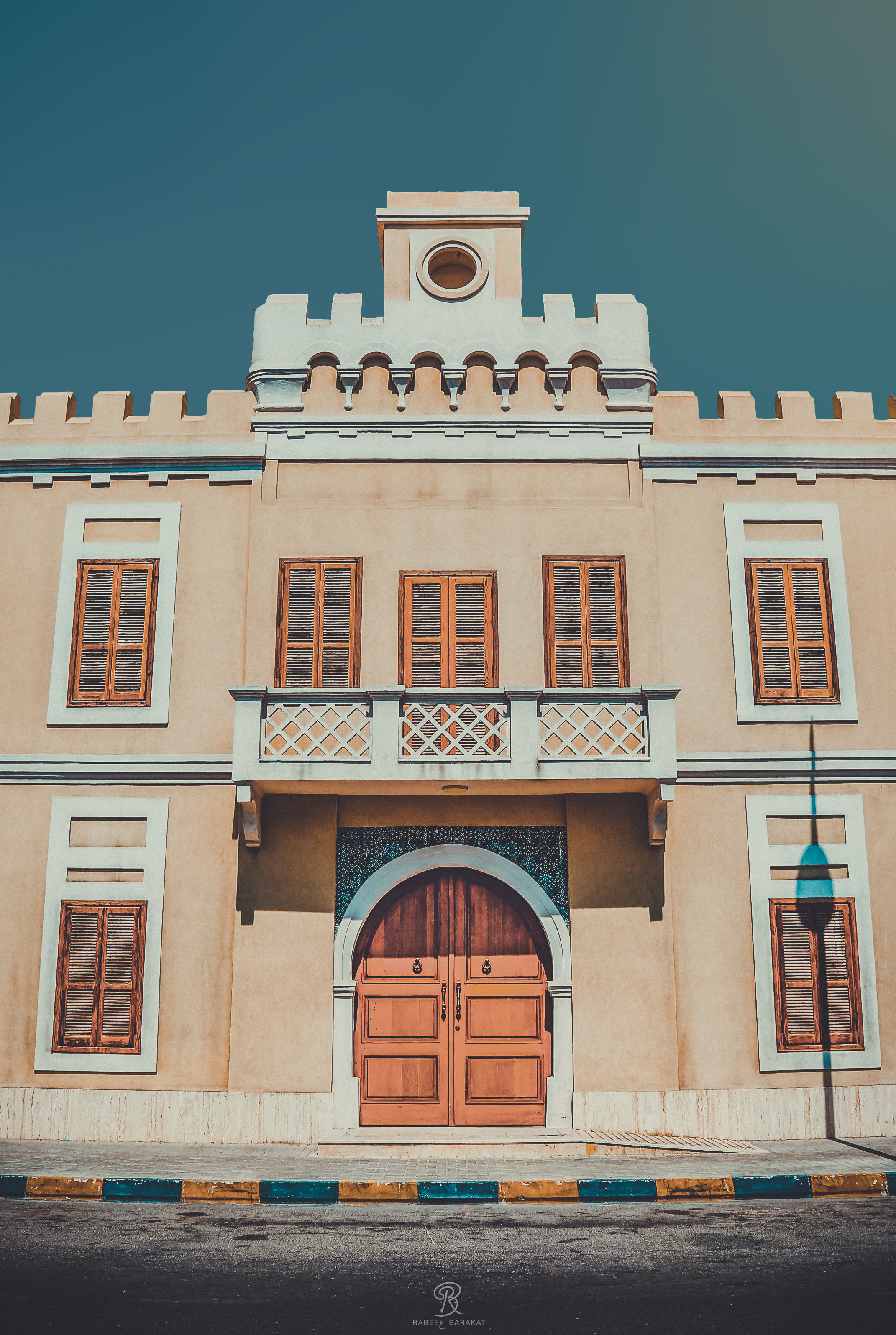
The arches are on every head in most of Libya’s buildings and it has got multiple origins like Islamic Moroccan architecture and the Ottomani culture that left so many tradition on the city. This door belonged to a Jewish family who used to live in it hence the carved David’s star on its wood.
Every coastal area has an acknowledged percentage of sea fortunes in its lifestyle, and Misrata is no exception. Besides the beautiful beaches of the Mediterranean Sea, it also provides jobs to the fishermen who’re respected in the city. As seafood is appreciated in the Libyan cuisine.
This is Dafniya region the western country side of the city which is famous with the Mediterranean trees that fence all the farms leaving unintentional beauty in between.
A typical evening view you see on the side roads of Tammina area, one of the country sides of Misrata, where farmers give their sheep the maximum freedom they can get.
This man works in a famous bicycles repairer shop by which so many grown up Misrati citizens are thankful for. This place is like a hospital for what brings fun to the kids and where nostalgia is brought back to life whenever a you pass by it.
Most of the areas around the city including some houses backyards are decorated with these short trees of pomegranate. So as the summer ends, it gives that sour-sweet nostalgic flavour of the season.
Horses are very much valued in Misrata. The old believes state that they bring goodness to their owners. And they’re part of the traditional horse race called “Liheed” where it gathers Libyan men and children to witness the horse riders dressed in their best traditional cloths with.
Palm trees and the dates are generally Libyan symbols that are stuck to the culture geographically and historically; climbing the palm trees with “Guffa” a hand-made bag of palm tree’s leaves to collect the ripe dates at the end of the summer is a typical Libyan scene.
From Under Its Palm Trees Misrata, Libya
Thubactis, also known as Kevalay, is a city situated between two beaches on the coastline of the Mediterranean Sea, forming a 120-degree angle of land. This North African city has a rich history influenced by various civilizations, evident in its multiple names. Despite its relatively small population of around 386,120 residents, Misrata holds significant importance in trade and industry, making it the leading commercial hub in the region. In ancient times, the city served as a prominent trading post, fostering its economic growth and development.
The historic municipality building in the city of Misrata, Libya dates back to the late 19th century. This iconic structure is not only a historical landmark but also serves as the enduring symbol of the city.
Thubactis, an ancient city established by the Phoenicians around 3,000 years ago, is situated approximately 210 km to the east of Tripoli in Libya. The city was positioned close to what is now known as the city of Misurata.
Kevalay is derived from Cephalae Promontorium and in some historic documents was called Σταδιασμός ήτοι περίπλους της μεγάλης θαλάσσης (The long distances of the big sea). This name has historical significance and refers to the geographical location of the area.
The region described by Strabo AD is characterized by a vast expanse of land covered in dense forests, and it encompasses the Gulf of Sirte, as described by the prominent geographer Ptolemy. This area is geographically referred to as Trirone Acrone, which translates to “the three heads,” due to its distinctive formation of three headlands protruding into the sea. The land is inhabited by a tribe known as Misrata, a name which endures to this day.
Misrata is a down-to-earth city graced with a diverse and industrious population. Its streets come alive with the invigorating scent of the Mediterranean Sea and the aroma of freshly brewed espresso in the evenings. Lined with age-old palm trees, the streets of Misrata cater to both the exuberance of the youth and the wisdom of the elders. This characteristic feature has inspired local poets and musicians to celebrate Misrata’s unique Mediterranean ambiance in their art.
Kuala Lumpur Photography Festival 2019 (KLPF)
The Kuala Lumpur Photography Festival stands as the premier imaging event in Malaysia and the broader Southeast Asia region. It’s a dynamic convergence of photography and travel enthusiasts, offering an array of activities and opportunities for all attendees. The event features engaging seminars led by industry leaders, networking sessions with experts, the chance to discover new products, and the excitement of winning attractive prizes. Since its inception on 14th November 1997, the KLPF has grown into an eagerly anticipated annual gathering that brings photographers and travelers together in a vibrant and inspiring atmosphere.
During the 21st cycle of the Kuala Lumpur Photography Festival, coinciding with Malaysia’s Merdeka (Independence Day) month in August, the festival aimed to spread a message of love for photographers’ homelands. I had the privilege of participating by submitting 12 photos of my hometown, Misrata, Libya, under the title “From Under Its Palm Trees” (من تحت نخلها). These photos were accepted by the committee and displayed in an independent booth at the exhibition held in Viva Expo Hall, Jalan Loke Yew, Kuala Lumpur, Malaysia, from the 23rd to the 25th of August 2019.
The event kicked off with a captivating dance performance by the talented Encore Melaka group. This was followed by a warm welcome from Festival Director, Jessica Chan. As the ceremony continued, the hall gates swung open, inviting the audience to experience a mesmerizing drum dance performance right at the entrance, accompanied by an exciting musical ambiance that filled the air.
This slideshow requires JavaScript.
The exhibition in Malaysia was a vibrant tapestry of diversity, much like the myriad colors waiting to be printed in a jubilant pride parade photograph. The event’s itinerary was packed with complimentary workshops on photography and visual arts for people of all ages, as well as model photo competitions, and an assortment of booths and kiosks.
The theme of my booth is influenced by the beautiful song “Misrata w Nekhalha Hadd Ezzain” مصراتةونخلهاحدالزين by singer Mohammad Omran AbuSha’alah. This song is a celebration of Misrata, known for its abundant palm trees adorning every street and neighborhood, symbolizing the harmonious blend of the Sahara desert and the Mediterranean Sea.
My Booth
This slideshow requires JavaScript.
Other Photos That Did Not Make It to The Exhibition
A fountain in the centre of a public park downtown the city, where it was designed like a traditional well called “Sania”.
Cristo church’s bell in Tummina (Crispi), Misrata, Libya. The church was built in the mid-30s of the last century by the Italians during their colonial residency of Libya.
A bullet mark through a street pole that happened to be in a street fighting in 2011.
This wooden box used to store missiles, but in this photo it carries different types of weapons.
Olive tree in Addafniya, Misrata, Libya -2017
A green flag on the floor of one of the rooms of a damaged building by the Libyan civil war – 2011. The flag belonged to the soldiers who were pro-Gaddafi’s regime.
A graffiti if the word “Misrata” in Arabic. An-Nassr square.
From An-Nassr square downtown the city of Misrata, Libya – 2017.
Cristo church’s bell in Tummina (Crispi), Misrata, Libya. The church was built in the mid-30s of the last century by the Italians during their colonial residency of Libya.
The kids left their bikes in front of an old church’s wall which is sprayed on “Martyr’s blood is good on us”, “The fate of traitors of the martyrs is slow death” and “God is the greatest” while the kids are playing Volleyball inside the old church.
A missile’s impact on a wall and its shrapnel’s around it has left the door without a lamp above it.
A gypsy horse in a public park, Kirzaz, Misrata – 2017.





 Spring's Fall
Leave a comment